Skip to main content

Acrylcolor
Colour acclaimed!
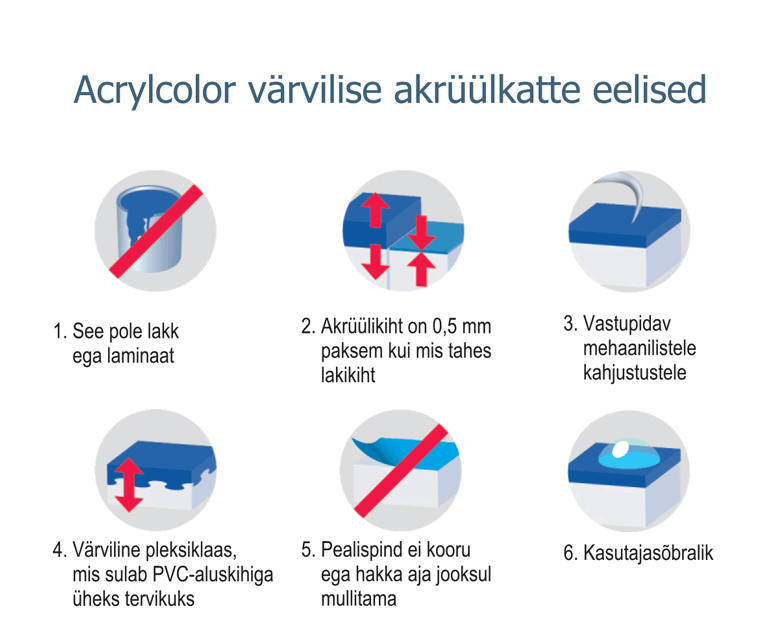
Coloured window frames accentuate the design of the façade. In this way, residential houses become attractive eye-catchers with their own unmistakable “calling card”. Not even the most unusual designs or typical colour nuances of a region pose a problem. When our windows show their true colours, variety is the order of the day with shades to suit every environment. All tones are covered, from elegant white to fine state grey. It also goes without saying that they are non-fading and RAL-tested – because quality is of top priority for Arutech with coloured plastic windows too. That is why we manufacture our acrylcolor profile sections using a special colouring process in which the white PVC base element and the coloured acrylic glass are bonded together inseparably. The outer, coloured acrylic glass coating is scratchproof and highly resistant to weather influences, such as sunlight, wind, rain, cold and temperature fluctuations. The silk-matt, smooth and porous surface is non-sensitive to the accumulation of dust and dirt and, because there is no flaking or chipping, there is no need for bothersome re-painting. Acrylcolor windows are virtually maintenance-free and extremely easy-care. They repel dirt and can be cleaned with standard cleaning agents. The unsurpassed colourfastness of the acrylcolor profiles remains a fascinating feature for the entire service life of the windows.
Acrylcolor – durability of colour
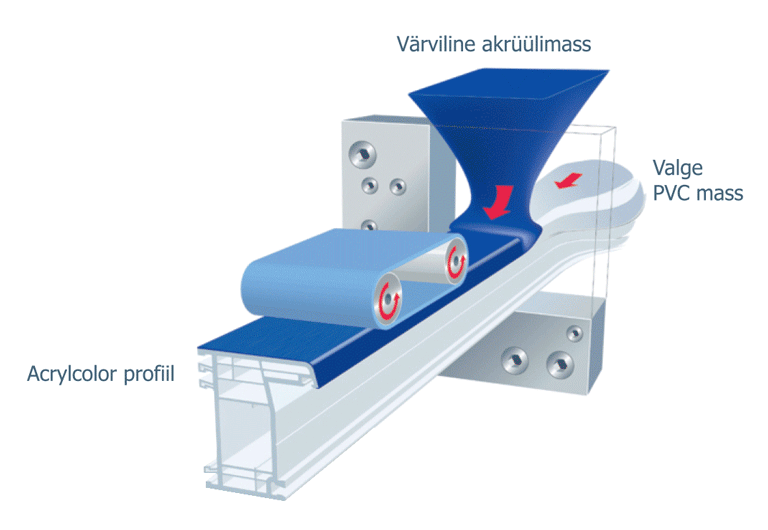
The co-extrusion method has been successfully used for almost thirty years. In the thermal process, the base of the white profile, after heating of the material, merges with the melted liquid acryl. The coloured layer of acryl is applied to the surface of the white profile. The acrylcolor profile exits from the nozzle of the co-extruder in two colours. This process is the guarantee for ideal colour transmission. Even with the replacement of windows from ARUTECH of acrylcolor profile on the same building after decades, it is practically impossible to establish deviation in heat conductivity.
High reflection capacity
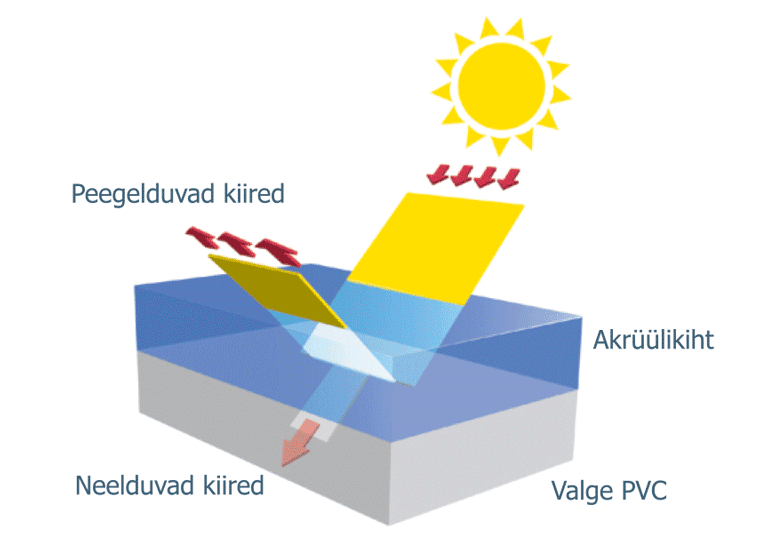
The acryl layer allows the penetration of solar rays. As a result, the main white profile reflects the major part of solar rays, passing through the acryl layer. Therefore, the coloured profile does not heat significantly more than the white profile.
Colours

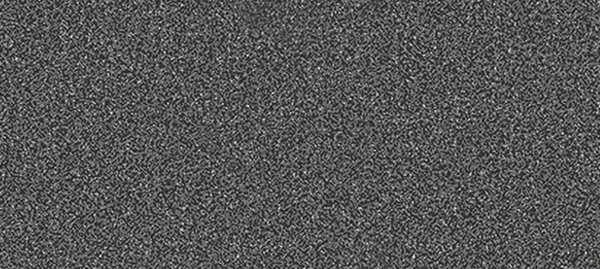
SILBER

RAL 9005

RAL 8014

RAL 7040

RAL 7039

RAL 7022

RAL 7016

RAL 7015